The Ultimate Guide to the Old Fashioned
The Old Fashioned is the definitive benchmark of a well-crafted cocktail. At Cask & Ale , we center our craft around history when preparing an Old Fashioned . Whether you prefer a traditional whiskey or Wisconsin Brandy, our dedication to this timeless drink ensures that every glass at 212 State Street is a tribute to the world's most enduring cocktail.
What are Old Fashioned Ingredients?
The beauty of this drink lies in its simplicity. A traditional Old Fashioned consists of four core components:
- Spirit: The foundation of the drink. (Often Whiskey, sometimes Brandy)
- Sugar: A simple cube or syrup to balance the proof.
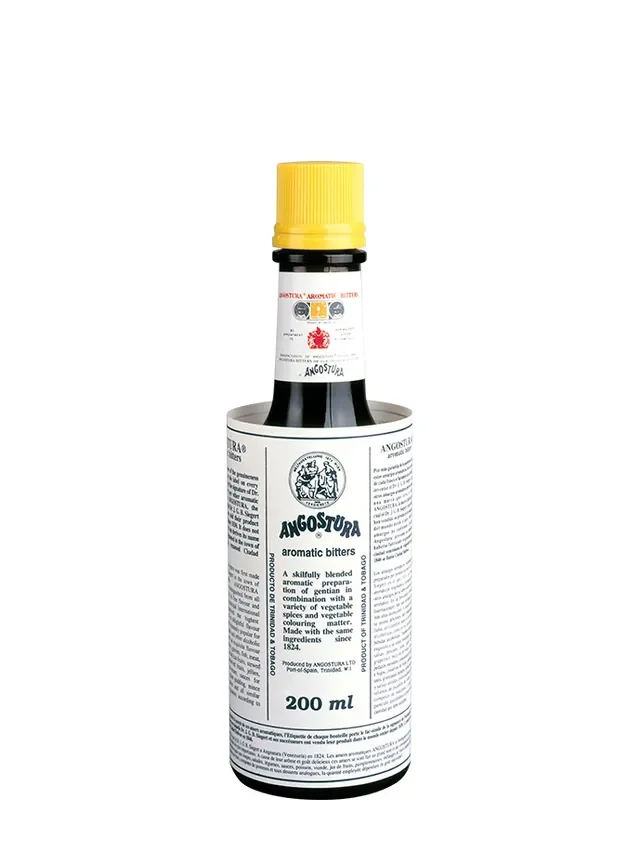
- Bitters: Usually Angostura to provide depth and botanical notes.
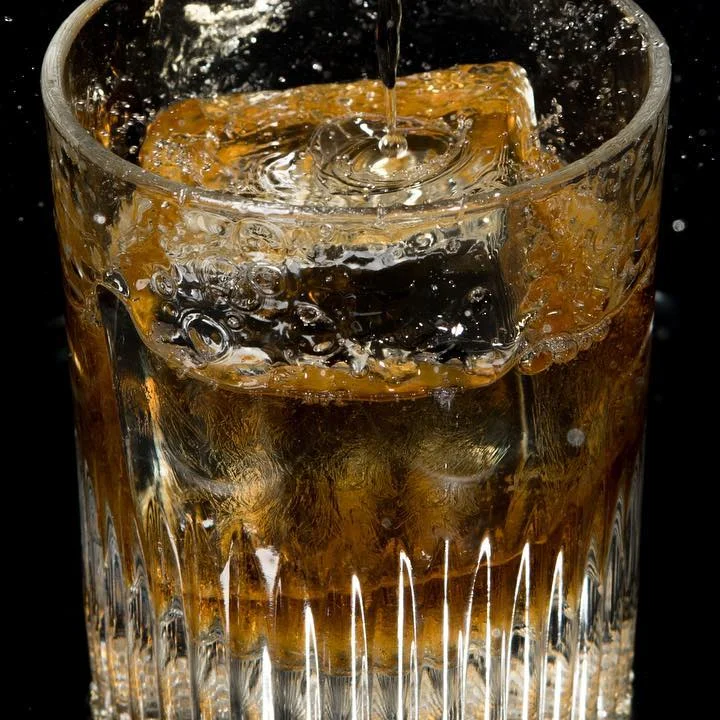
- Water/Ice: Essential for dilution and chilling.
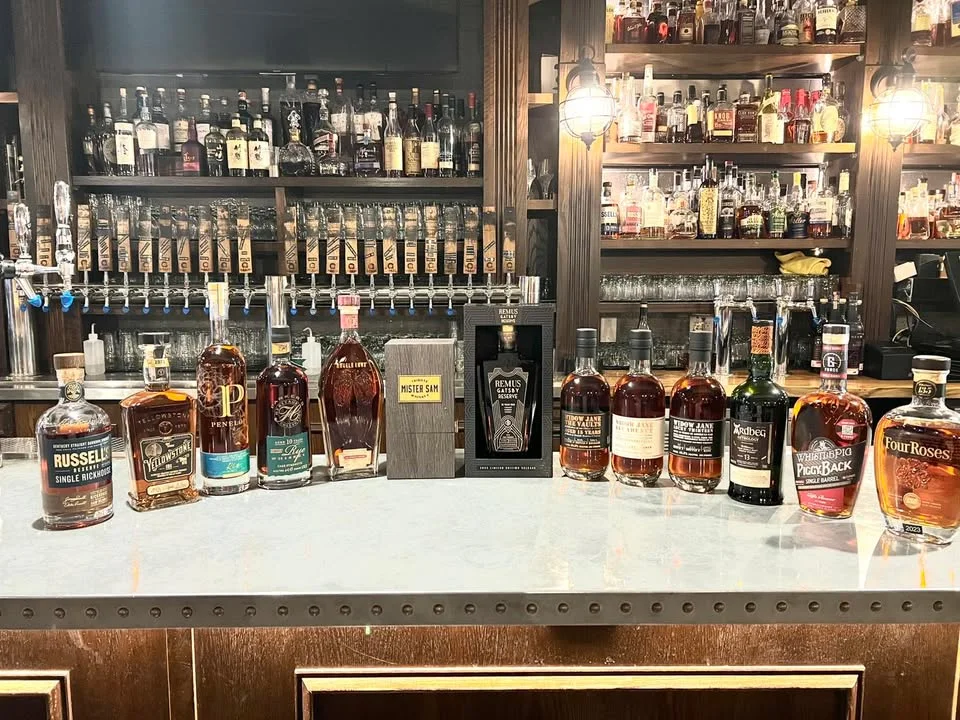
Spirit
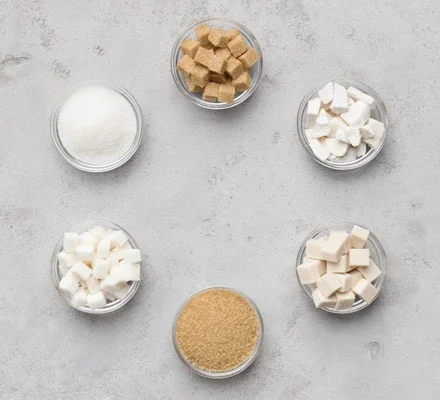
Sugar
Bitters
What would you use for Old Fashioned Glassware?
The vessel is almost as important as the drink. An Old Fashioned is traditionally served in a Rocks Glass (also known as a Lowball or an Old Fashioned glass).
- Weight: A heavy-bottomed glass is essential for muddling.
- Wide rim: Allows the aromas and the expressed oils of the orange peel to hit your nose before your first sip.
What are the Best Spirits for an Old Fashioned?
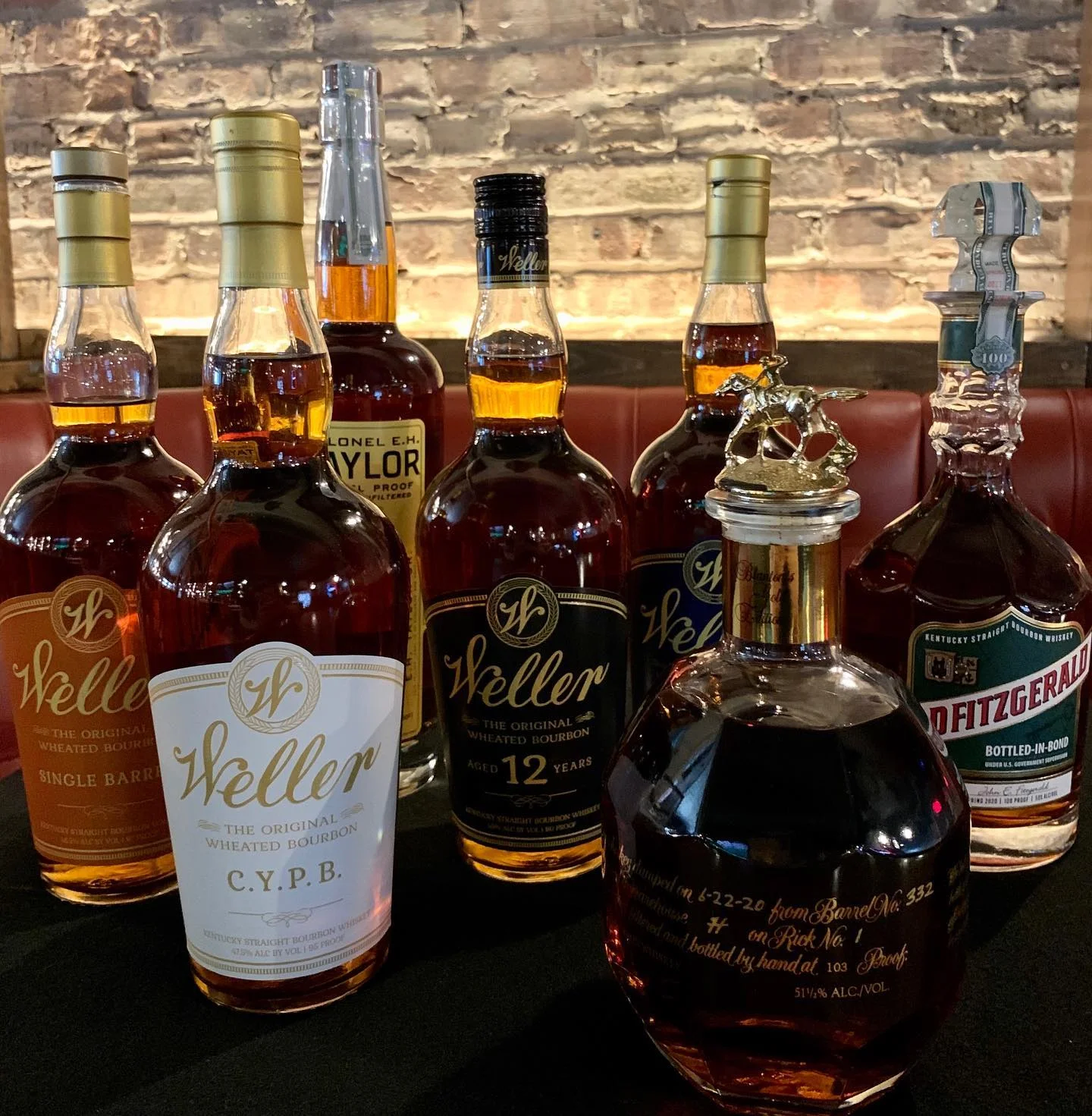
Choosing the right base is critical because the spirit isn't hidden by mixers. For a standout Old Fashioned, we recommend:
- High-Proof Spirits: Something with a higher ABV holds its own against the sugar and dilution.
- Spicy Profiles: Spirits with notes of pepper or rye cut through the sweetness of the sugar perfectly.
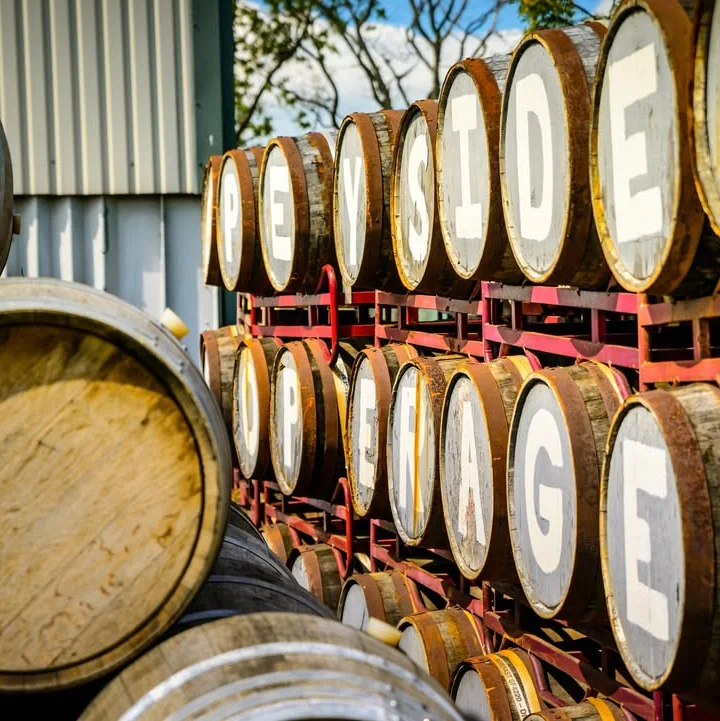
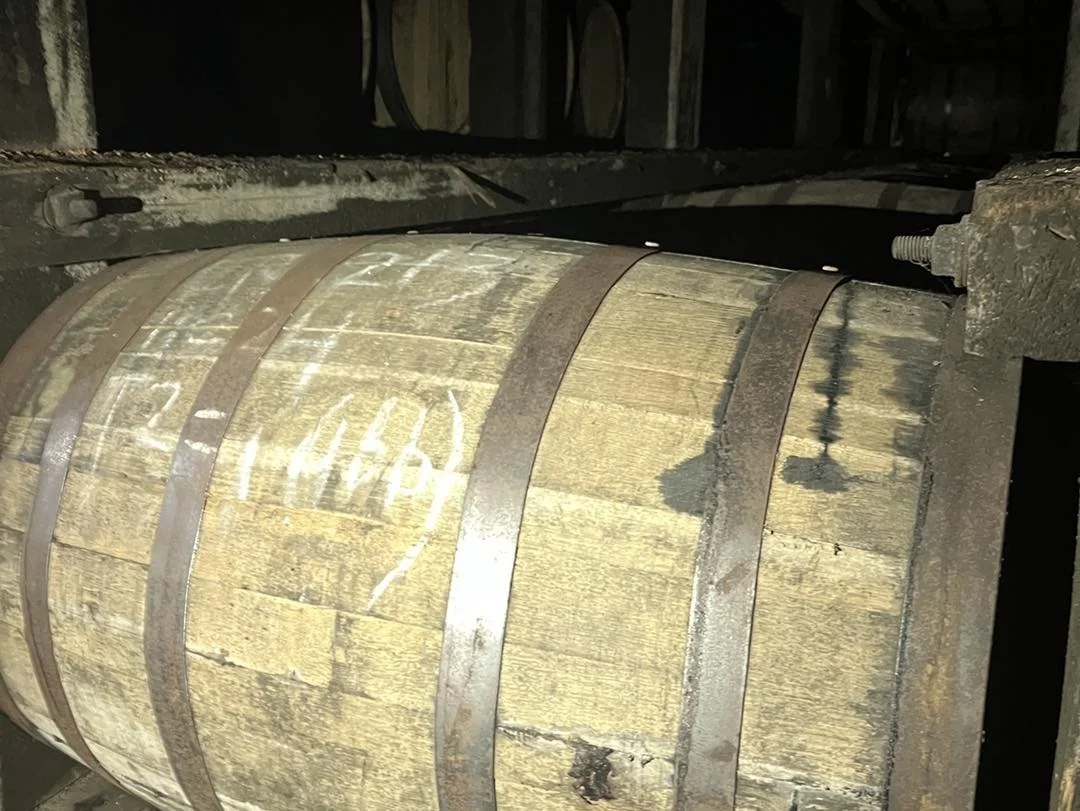
- Single Barrel Picks: Ask our bartenders about our current selection of Barrel picks for your Old Fashioned, that's right we bought the whole barrel!
The Origin and History of the Old Fashioned
The 1806 Definition
The blueprint for the drink was first codified in 1806 in the New York publication The Balance and Columbian Repository. When a reader asked for the definition of a "cocktail," the editor described it as a "stimulating liquor, composed of spirits of any kind, sugar, water, and bitters." For decades, this was the standard morning "tonic" enjoyed across the country.
The Revolt Against "Fancy" Drinks
As the 19th century progressed, bartenders began adding absinthe, liqueurs, and exotic garnishes to their recipes. Purists, annoyed by these "improved" cocktails, began demanding their drinks be made the "old-fashioned way"—sticking to the original 1806 formula of spirit, bitters, and sugar. By the 1880s, the name "Old Fashioned" stuck as a badge of honor for those who preferred their whiskey unadulterated.
The Pendennis Club Connection
While its components are ancient, the specific naming of the Bourbon Old Fashioned is often attributed to the Pendennis Club in Louisville, Kentucky. Legend has it that a bartender there created the specific recipe for James E. Pepper, a bourbon distiller, who eventually brought the style to the Waldorf-Astoria Hotel in New York City. This transition from a generic "cocktail" to a sophisticated bourbon-based classic cemented its place in the American spirit pantheon.
Traditional or Brandy Old Fashioned
In Wisconsin, the Old Fashioned debate is legendary. Which one is better? Whichever you prefer!
Classic Whiskey Old Fashioned
This is the world-standard. It’s spirit-forward, highlighting the base liquor with a simple citrus twist and a cherry.
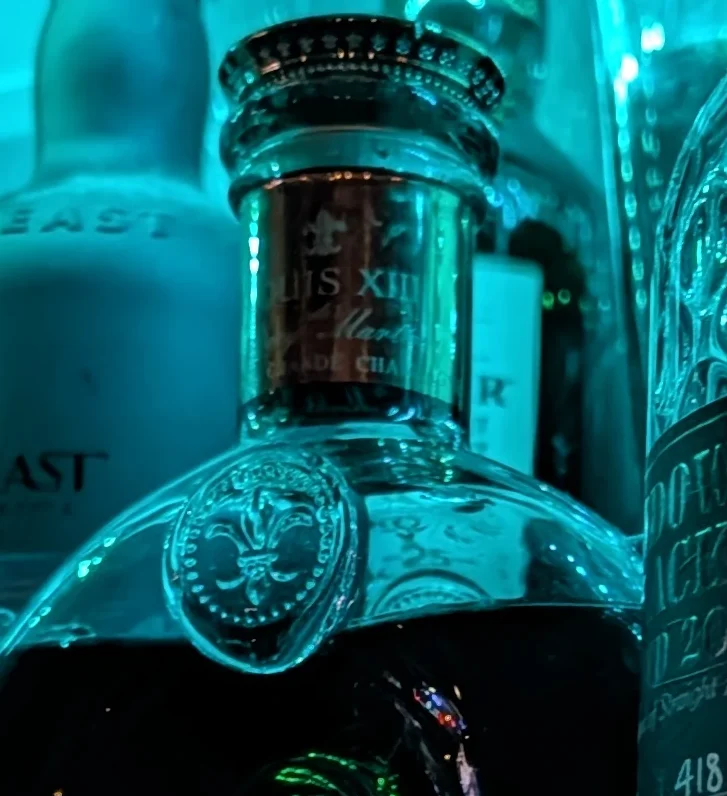
Wisconsin Brandy Old Fashioned
Crafted the same way, substituting Brandy for the Whiskey, the Brandy Old Fashioned is a staple here in Wisconsin.
The History of the Wisconsin Brandy Old Fashioned
While the Old Fashioned has roots dating back to the early 1800s, the Wisconsin variation is a cultural phenomenon born from a unique set of circumstances. Its history is tied more to the history of the Badger State than to traditional mixology.
The 1893 World’s Fair
The obsession began in Chicago at the 1893 World’s Fair. The Korbel brothers introduced their California brandy to a massive audience, and the German immigrants of Wisconsin—who already had a cultural preference for brandy and wine over harsh whiskeys—fell in love. It quickly became the "unofficial" state spirit.
The Post-War Pivot
The drink truly evolved into the muddled masterpiece we know today after WWII. High-quality whiskey was scarce, but there was a massive surplus of brandy. To make the rougher, young brandies of the era more palatable, bartenders began muddling cherries and oranges with sugar and bitters, eventually topping the mixture with soda to create a longer, more social drink.
Sweet, Sour, or Pressed?
Unlike the classic version found in other cities, a Wisconsin Old Fashioned is defined by its "wash." Whether you’re stopping by Cask & Ale after a show at the Overture Center or a night at Comedy on State, you’ll be asked for your preference:
- Sweet: Topped with 7-Up or Sprite.
- Sour: Topped with Squirt or sour mix.
- Press: A 50/50 split of soda and seltzer.